A Researcher’s Look Into the Genetic Significance of This Unusual Spore Type

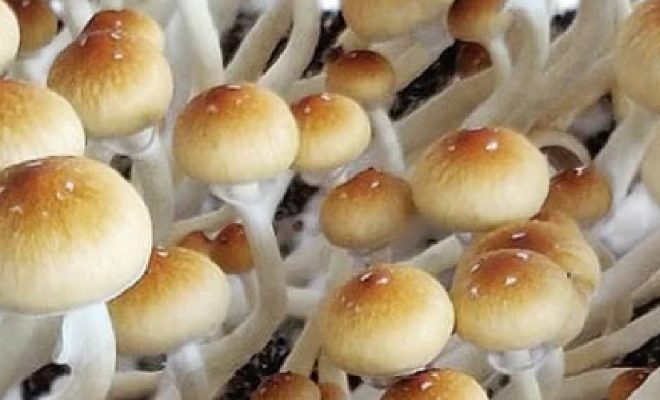
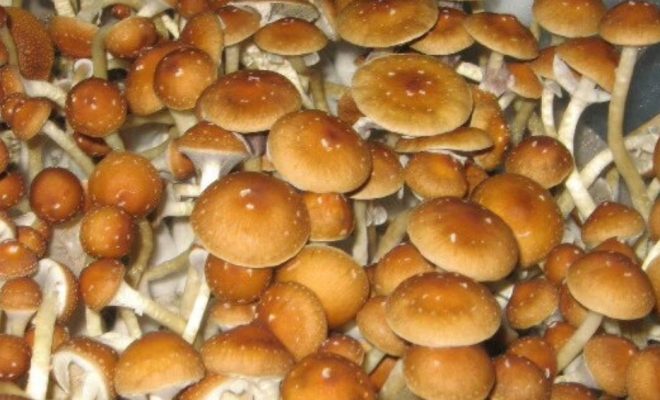
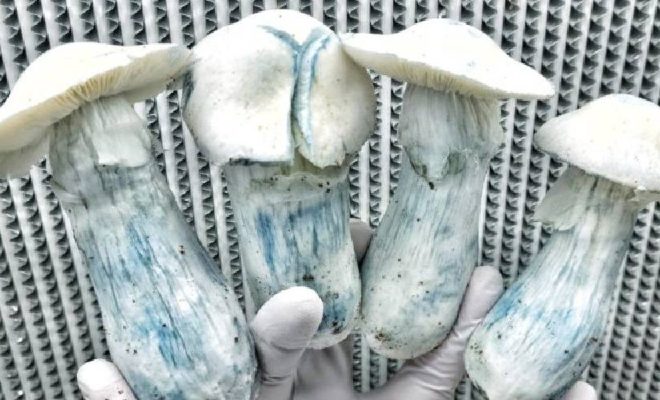
When mycology enthusiasts talk about truly distinctive fungal genetics, they’re often referring to strains that stand out far beyond surface-level appearance. Some varieties have become almost legendary in research circles for the way their structure, development patterns, and reproductive traits deviate from what many consider “standard.” Among these discussions, strains like penis envy are frequently mentioned, not for sensational reasons, but because they represent how complex and surprising mushroom spores can be when examined closely under a scientific lens.
Why Unusual Spore Types Capture Research Interest
For researchers, unusual spore types aren’t just fascinating—they’re extremely useful for studying how slight genetic shifts can lead to noticeable morphological differences. When spores behave differently, whether in size, shape, density, or structure, they provide insight into how genetics guide development. These natural variations become a living record of adaptation, mutation, selection, and environmental influence.
Microscopic Clues Hidden in Structure
One of the biggest reasons unique spores matter is the wealth of microscopic details they reveal. Under magnification, researchers can observe:
- Spore wall thickness
- Surface patterning or ornamentation
- Coloration at different stages
- Density and clustering characteristics
Each characteristic helps tell a genetic story. Thicker walls may hint at environmental resilience. Unique surface textures often point toward evolutionary pathways. Even subtle shade variations can suggest developmental timing differences. None of these traits exist by accident—they are all encoded at a genetic level.
Genetic Stability vs. Genetic Curiosity
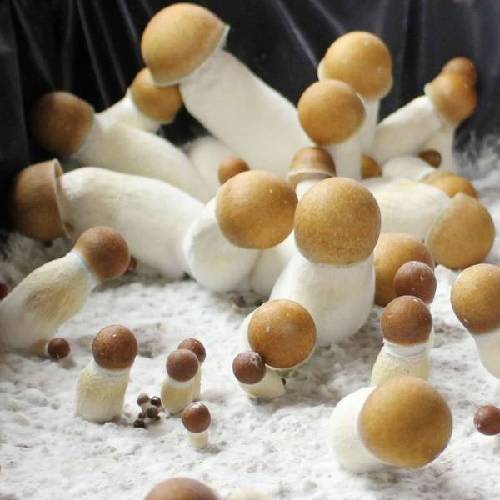
Unusual spore types often sit at an interesting crossroads between stability and experimentation in nature. Some are remarkably consistent, showing specific traits again and again, which helps researchers understand how well those traits are locked into the genetic blueprint. Others vary more widely, which can be just as valuable, offering insight into genetic flexibility and potential for future change.
This is where careful documentation matters. Responsible research isn’t only about observation; it’s about tracking, comparing, and revisiting data over time. Patterns become clearer when you can review consistent records, and those records often shape broader understanding within the mycology community.
What These Findings Mean for Ongoing Study
The genetic significance of unusual spore types ultimately lies in what they teach us about diversity, adaptation, and lineage development. They remind us that not all fungal genetics follow the same script. Some lineages branch off in unexpected ways, and those deviations become opportunities to learn.
For researchers, that means:
- More precise classification possibilities
- Better understanding of evolutionary divergence
- Stronger appreciation for genetic variability in fungi
A Continuing Journey of Observation
The most exciting part is that research is ongoing. Every slide prepared, every sample examined, and every pattern documented adds another piece to the puzzle. Unusual spore types are less about curiosity and more about contribution—they actively expand scientific understanding.
In the end, studying these spores is a reminder of how dynamic fungal genetics truly are. Each unique structure is evidence of nature experimenting, refining, and evolving. And for researchers, that’s exactly where the real fascination begins.